What a roof inspection report actually contains
Most homeowners have never been shown a proper one, which is exactly why weak reports keep getting accepted.
September 8, 2026 · 3 min read
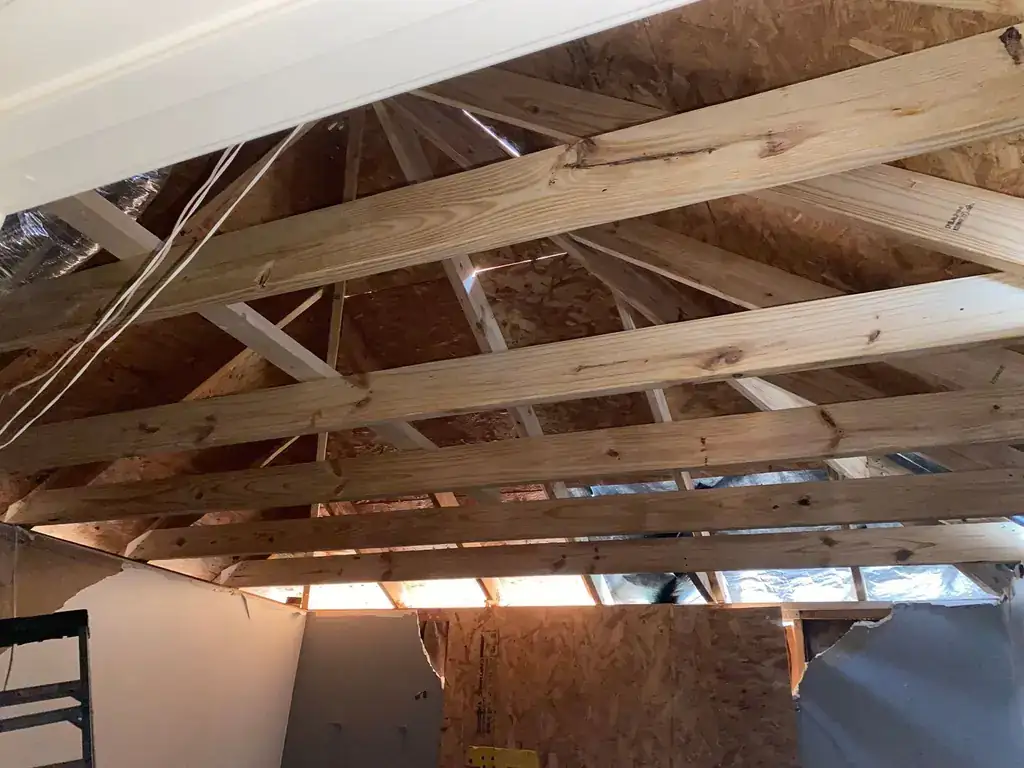
If you have ever had a roofer look at your house after a storm, you have probably been handed something on a clipboard with a number at the bottom. That is a quote. It is not an inspection report, and if you are about to file an insurance claim the difference between the two is most of the money.
A real inspection report is a document. It records what is wrong with the roof, where, and why it matters, and it does that in a form somebody who has never seen your house can follow. That last part is the whole point, because the person deciding your claim will never stand on your roof.
Photographs attached to findings
Every finding in the report should have a photograph attached to it. Not a general shot of the house from the driveway. A photograph of the specific thing being described, close enough that the damage is visible and framed so its location on the roof is obvious.
This sounds basic. It is also the single most common thing missing from the reports homeowners bring us for a second opinion. A written line saying there is hail bruising on the south slope proves nothing on its own. The same line with an image beside it is evidence.
Four categories worth separating
A report that lumps everything together as damage is doing you no favours, because an adjuster is going to separate it anyway and would rather you had done it honestly. The categories that matter are these:
- Storm related damage, meaning something a specific weather event did
- Ordinary wear, meaning the roof aging the way roofs age
- Improper installation, meaning something a previous contractor did wrong
- Active water entry, meaning somewhere water is getting in right now
These are treated completely differently by an insurer. Storm damage is usually covered. Wear is usually not. Improper installation from a previous job is its own argument. Mixing them together in one list invites the whole claim to be treated as wear, which is the cheapest outcome for everyone except you.
Plain language, not trade shorthand
A report full of abbreviations and trade terms is not more professional. It is harder to act on. The explanations should read in plain English and connect back to the insurance process: what failed, what that means for the roof, and what happens if it is left.
You should be able to read the report yourself and understand your own house. If you cannot, ask. A contractor who is annoyed by that question is telling you something useful.
It is not only for claims
The same document does two other jobs. If you are buying a house, it tells you what you are taking on before you close, which is a far better time to find out that the roof has three years left in it. And if you are simply staying put, it is a maintenance plan: a list of what to watch and roughly when.
In Katy most roofs should be inspected annually, because the combination of storms, high heat and wind exposure wears them faster than the material lifespan suggests. After a major hail event, an immediate inspection is worth booking rather than waiting to see whether a leak develops. By the time it develops, the interior is involved too.
What a thin report costs you
The pattern we see repeatedly is a homeowner with genuine storm damage, a two paragraph write up, and an insurer who has declined. The damage was real. The documentation was not good enough to make the case, and the homeowner had no way to know that at the time because they had nothing to compare it against.
Once a claim has been declined, reopening it is harder than making the case properly the first time. That is the argument for getting the documentation right at the start, even when the roof looks obviously damaged to you. Obvious to you and evidenced to an adjuster are not the same standard.
What to ask for
If you are getting an inspection done, ask three questions before the work starts. Will I get photographs of each finding. Will the report separate storm damage from wear. And will somebody walk me through it rather than emailing a PDF and leaving me to it.
Any contractor who does this properly will answer yes to all three without hesitating, because it is simply how they already work. The question is worth asking anyway, and the hesitation is the answer.
ProRoofs and Restoration — (281) 994-9244
Call (281) 994-9244More articles
Hail damage in Katy: what to do in the first week
Most of the mistakes that sink a hail claim happen in the first few days, before anyone has climbed on the roof.
On Katy clay, gutters are a foundation problem
The most expensive gutter mistake in this region is sizing a system for average rainfall.